
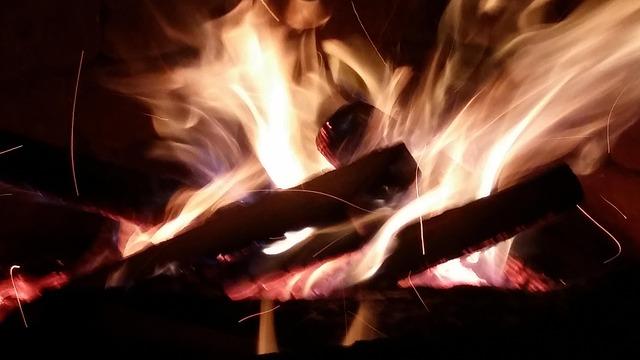
Multnomah County’s Health Department has extended its mandatory wood-burning restrictions as air pollution levels remain elevated across the region. The continued prohibition on residential wood burning aims to improve air quality and protect public health amid persistent smog and hazardous particulate matter. Officials urge residents to comply with the order while monitoring ongoing air conditions and considering alternative heating options.
Health Department Extends Wood-Burning Ban Amid Rising Pollution Levels
Due to a sustained increase in airborne particulate matter, the Multnomah County Health Department has announced an extension of the mandatory wood-burning restriction. Residents are urged to refrain from using wood stoves, fireplaces, and outdoor fire pits until further notice. This measure aims to reduce the concentration of fine particulate pollution that has recently surpassed the safe threshold, posing significant risks to respiratory health, especially among children, the elderly, and those with pre-existing conditions.
Health officials emphasize the importance of compliance and recommend the following alternatives to maintain indoor warmth without contributing to air quality degradation:
- Electric heating devices: Space heaters and baseboard heaters provide safe and pollution-free warmth.
- Gas-powered appliances: Utilize approved gas fireplaces or furnaces where available.
- Weatherproofing: Seal windows and doors to retain existing heat and reduce energy consumption.
| Pollutant | Current Level | Safe Threshold | Source |
|---|---|---|---|
| PM2.5 (Fine Particles) | 45 µg/m³ | 35 µg/m³ | Wood-burning Stoves |
| Ozone (O3) | 70 ppb | 70 ppb | Traffic & Industry |
| Carbon Monoxide (CO) | 9 ppm | 9 ppm | Vehicle Emissions |
Impact of Wood Smoke on Air Quality and Public Health in Multnomah County
Recent studies have identified that wood smoke is a significant contributor to the deteriorating air quality in Multnomah County, especially during the colder months when wood-burning activities peak. The fine particulate matter (PM2.5) from wood smoke contains harmful pollutants that penetrate deep into the lungs and bloodstream, exacerbating respiratory conditions such as asthma, bronchitis, and heart disease. Vulnerable populations, including children, the elderly, and individuals with pre-existing health issues, are particularly at risk. The persistent presence of these pollutants not only triggers immediate health concerns but also contributes to long-term chronic illnesses, placing additional strain on the county’s healthcare system.
Key impacts of wood smoke emissions in Multnomah County include:
- Increased hospital admissions for respiratory and cardiovascular problems during high-smoke days
- Reduced visibility and deterioration of local ecosystems due to airborne toxins
- Acceleration of climate change effects through carbon release from residential burning
| Pollutant | Health Impact | Source |
|---|---|---|
| PM2.5 | Lung irritation and inflammation | Wood smoke particles |
| Carbon Monoxide | Reduced oxygen delivery to the body | Incomplete combustion |
| Volatile Organic Compounds | Aggravated respiratory diseases | Burning wood adhesives and finishes |
Guidelines and Alternatives for Residents During Mandatory Wood-Burning Restrictions
During the ongoing wood-burning restriction, residents are urged to comply fully to help reduce harmful air pollutants that jeopardize public health. Wood stoves, fireplaces, and pellet stoves must not be used unless they are the sole source of heating in the residence. Households are encouraged to explore cleaner alternatives to heat their homes effectively and safely. These restrictions remain critical as the county works to improve air quality and reduce the risks associated with prolonged exposure to smoke and particulate matter.
To assist residents in maintaining comfort while adhering to the ban, here are several recommended alternatives:
- Electric space heaters or baseboard heating units
- Heat pumps which provide efficient heating and cooling
- Natural gas or propane furnaces, if available
- Layering clothing and using blankets to reduce the need for supplemental heat
- Sealing drafts around windows and doors to retain indoor warmth
| Heat Source | Typical Cost | Environmental Impact |
|---|---|---|
| Electric Space Heater | Low | Low emissions |
| Heat Pump | Medium | Minimal emissions |
| Gas Furnace | Medium | Moderate emissions |
| Wood Stove (restricted) | Low | High emissions |
Insights and Conclusions
As Multnomah County faces ongoing challenges with elevated air pollution levels, the Health Department’s decision to maintain the mandatory wood-burning restrictions underscores a commitment to protecting public health. Residents are urged to stay informed of updates and adhere to guidelines aimed at improving air quality for the community. The department continues to monitor conditions closely and will adjust regulations as needed to ensure the well-being of all county inhabitants.