
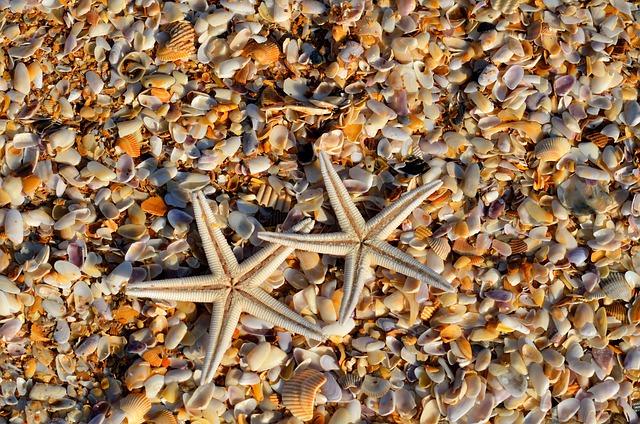
A new study highlights the critical role of connection and protection in enhancing coral reef health, revealing that stronger ecological linkages and effective conservation efforts can significantly bolster these vital marine ecosystems. Published on EurekAlert!, the research underscores how fostering interconnected habitats and implementing targeted protective measures not only improve reef resilience but also promote biodiversity and support the livelihoods of coastal communities. This breakthrough sheds light on innovative strategies to combat the escalating threats facing coral reefs worldwide.
Strengthening Coral Networks Enhances Reef Resilience and Biodiversity
Recent studies reveal that fostering interconnected coral communities plays a crucial role in enhancing the overall stability and diversity of coral reefs worldwide. These networks enable coral populations to recover more swiftly from stressors such as bleaching events, storms, and disease outbreaks by facilitating genetic exchange and resource sharing. Scientists emphasize that stronger coral connectivity not only bolsters resilience but also supports the proliferation of marine species, creating a cascade of ecological benefits across the reef ecosystem.
Key strategies to amplify coral network strength include:
- Restoring damaged reef patches to serve as stepping stones for larval dispersal.
- Protecting migration corridors that maintain genetic flow among coral populations.
- Utilizing assisted gene flow to increase adaptive potential against climate change.
| Factor | Impact on Reef | Benefit |
|---|---|---|
| Connectivity Enhancement | Improved recovery rate | Higher biodiversity |
| Genetic Exchange | Increased adaptability | Resistance to bleaching |
| Habitat Protection | Stabilized populations | Long-term survival |
Targeted Protection Zones Key to Sustaining Coral Health Amid Environmental Threats
Recent studies underscore the importance of establishing targeted protection zones within marine ecosystems to shelter vulnerable coral populations from escalating environmental pressures. These zones act as vital refuges where coral communities can recover and maintain their ecological functions, even as surrounding areas face threats such as pollution, overfishing, and climate-induced bleaching. By limiting human activities and fostering connectivity between healthy coral patches, these strategically designated areas empower reefs to sustain biodiversity and enhance their natural resilience.
Data reveals that protection zones with clear management protocols lead to significant improvements across key health indicators:
- Increased coral cover: Protected areas see coral coverage rise by up to 40% over five years.
- Enhanced fish populations: Healthy fish stocks help maintain ecological balance, stimulating coral growth.
- Improved water quality: Restrictions on pollutants reduce sedimentation and nutrient overload.
| Zone Type | Average Coral Cover (%) | Marine Species Diversity | Bleaching Incidents |
|---|---|---|---|
| Strict Protection | 65 | High | Rare |
| Partial Management | 48 | Moderate | Occasional |
| Unprotected | 29 | Low | Frequent |
Implementing Community-Led Conservation Efforts to Support Long-Term Reef Recovery
Empowering local communities plays a pivotal role in the resilience and restoration of coral reef ecosystems. By entrusting stewardship responsibilities to residents, conservation projects foster a sense of ownership and enhance vigilance against damaging activities such as illegal fishing and pollution. Initiatives often include training workshops, where community members learn sustainable resource management techniques and reef monitoring protocols. Such grassroots involvement not only improves ecological outcomes but also supports social cohesion and economic stability through eco-tourism and sustainable fisheries.
- Participatory mapping: Identifying critical reef areas with input from locals
- Collaborative monitoring: Regularly assessing reef health with community volunteers
- Restoration activities: Coordinated coral planting driven by local efforts
- Environmental education: Raising awareness among youth to ensure future conservation
Data from recent community-led projects highlight significant improvements in reef structure and marine biodiversity after sustained local engagement. The table below illustrates average coral cover percentages before and after two years of conservation activities in select sites led by communities in the Pacific region.
| Site | Coral Cover Before (%) | Coral Cover After 2 Years (%) |
|---|---|---|
| Fiji – Navua Bay | 27 | 42 |
| Palau – Kayangel | 33 | 50 |
| Solomon Islands – Marovo Lagoon | 29 | 47 |
Closing Remarks
As the threats facing coral reefs continue to escalate, understanding the crucial interplay between connection and protection offers a hopeful path forward. This study underscores the importance of preserving healthy reef networks and implementing targeted conservation measures to bolster these ecosystems’ resilience. With ongoing research and coordinated efforts, safeguarding coral reefs not only protects marine biodiversity but also ensures the livelihoods and well-being of communities worldwide. The findings from EurekAlert! serve as a timely reminder that fostering both connection and protection is key to sustaining the vibrant life beneath the waves.