
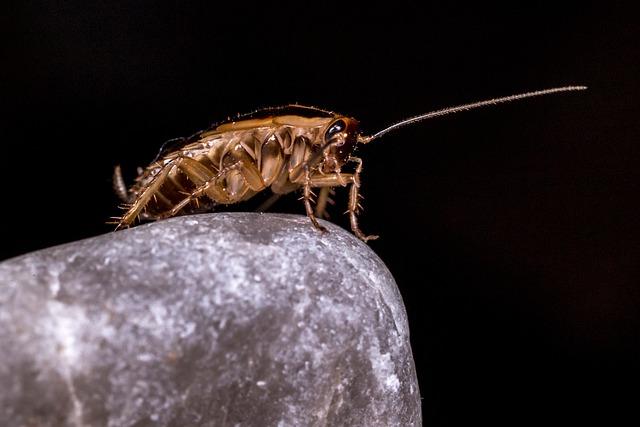
The U.S. Department of Agriculture’s Animal and Plant Health Inspection Service (APHIS) has launched a dedicated platform, Screwworm.gov, aimed at bolstering efforts to eradicate the devastating screwworm parasite from livestock populations. This new online resource serves as a critical tool for farmers, veterinarians, and industry stakeholders by providing timely information, updates on surveillance activities, and guidance on prevention and control measures. As screwworm infestations pose a serious threat to animal health and agricultural economies, APHIS’s initiative underscores the ongoing commitment to protect American livestock and support biosecurity across the nation.
Understanding Screwworm Threats and Their Impact on Livestock Health
Screwworm infestations pose a significant threat to livestock health, leading to severe economic and animal welfare consequences. These parasitic larvae invade open wounds on animals, feeding on living tissue and causing extensive tissue damage. If left untreated, the infestation can result in secondary infections, systemic illness, and in extreme cases, death. The rapid reproduction cycle of the screwworm fly allows populations to escalate quickly, intensifying the danger and complicating control efforts.
Farmers and livestock managers must remain vigilant by implementing preventive measures such as:
- Regular wound inspections and prompt treatment
- Maintaining clean and hygienic environments
- Utilizing approved insecticides and repellents
- Reporting suspected outbreaks to authorities swiftly
| Impact Area | Effect | Estimated Loss |
|---|---|---|
| Animal Health | Tissue destruction, infections | High morbidity rates |
| Economic | Reduced productivity, treatment costs | Millions in losses annually |
| Trade & Export | Movement restrictions | Market access limitations |
Key Strategies Employed by APHIS to Eradicate Screwworm Infestations
APHIS has deployed a multi-layered approach combining science, technology, and community cooperation to eliminate screwworm infestations. Central to this strategy is the Sterile Insect Technique (SIT), where millions of sterilized male screwworms are released into the wild. These sterile males mate with wild females, leading to no offspring and a subsequent sharp decline in population. This biological control method, paired with stringent monitoring and early detection tools such as pheromone traps and geographic information systems (GIS), enables rapid identification of outbreak zones and limits the spread of infestation.
Complementing SIT and surveillance efforts, APHIS enforces rigorous quarantine and animal movement controls, preventing the accidental transport of screwworm-infested livestock. The agency also collaborates closely with local farmers and ranchers, providing education on identifying symptoms and the importance of timely reporting. Below is a snapshot of the core tactics employed:
- Sterile Insect Releases: Suppression through mating disruption
- Advanced Surveillance: Use of pheromone traps and GIS tracking
- Quarantine Enforcement: Control of livestock movement across borders
- Community Outreach: Farmer education and prompt reporting systems
- Rapid Response Teams: Swift deployment for containment and eradication
| Strategy | Purpose | Impact | |||||||||
|---|---|---|---|---|---|---|---|---|---|---|---|
| Sterile Insect Technique (SIT) | Population suppression via sterilization | Over 99% reduction in local screwworm numbers |
| Strategy | Purpose | Impact | |||||||||
|---|---|---|---|---|---|---|---|---|---|---|---|
| Sterile Insect Technique (SIT) | Population suppression via sterilization | Over 99% reduction in local screwworm numbers | |||||||||
| Advanced Surveillance | Early detection and monitoring of outbreaks | Rapid identification of infestation zones limits spread | |||||||||
| Quarantine Enforcement | Prevent spread via livestock movement control | Reduces accidental transport of infestations | |||||||||
| Community Outreach | Educate farmers and encourage reporting | Improved early detection and cooperation | |||||||||
| Rapid Response Teams | Recommendations for Farmers to Prevent and Report Screwworm Cases Early
Farmers play a critical role in curbing the spread of screwworm infestations by maintaining vigilant observation of their livestock. Regularly inspecting animals, especially around open wounds or natural orifices, can help detect early signs of infestation such as restless behavior, excessive licking, or the presence of larvae. Implementing strict hygiene protocols and promptly cleaning any wounds reduces attractiveness to screwworm flies. Additionally, utilizing preventive treatments, including insect repellents and larvicides approved by veterinary authorities, provides a valuable line of defense against the pest. To ensure swift response and containment, farmers should:
Insights and ConclusionsIn summary, Screwworm.gov serves as a critical resource in the ongoing fight against the screwworm threat, providing timely updates and vital information from the Animal and Plant Health Inspection Service. As efforts continue to protect livestock and wildlife from this destructive parasite, the USDA’s commitment to surveillance and control remains a cornerstone of agricultural health nationwide. Staying informed through platforms like Screwworm.gov is essential for producers, veterinarians, and policymakers working together to safeguard the nation’s animal health and economic stability. |