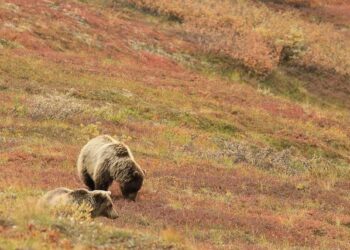












In a critical appeal to lawmakers, Public Employees for Environmental Responsibility (PEER) has issued a letter urging Congress to take immediate action to safeguard America’s national forests and the scientific agencies instrumental in their protection. As these vital public lands face increasing threats from environmental degradation and policy rollbacks, PEER highlights the essential role that sound science and dedicated public employees play in preserving forest ecosystems for future generations. This call to action arrives amid growing concerns over funding cuts and political interference that jeopardize both natural resources and the integrity of environmental research.
Congress Faces Critical Choice to Preserve National Forests and Scientific Integrity
As Congress debates funding and policies affecting America’s national forests, the stakes have never been higher. These vital ecosystems not only provide habitat for countless species but also serve as critical reservoirs for clean air and water. Yet, recent legislative proposals threaten to weaken scientific oversight and prioritize commercial interests over ecological preservation. Scientists and environmental advocates urge lawmakers to uphold the integrity of forest management practices by ensuring that research remains independent, transparent, and rooted in evidence-based conservation strategies.
Maintaining scientific rigor within federal agencies is essential to combat challenges like climate change, wildfires, and biodiversity loss. Lawmakers face a clear choice: support measures that protect forests and their invaluable services, or permit deregulation that could exacerbate environmental degradation. The following table highlights key impacts of proposed legislative actions on forest preservation efforts:
| Legislative Action | Potential Impact | Scientific Oversight |
|---|---|---|
| Increased Logging Mandates | Habitat Fragmentation | Reduced |
| Budget Cuts for Research | Less Data for Management | Compromised |
| Strengthened Environmental Protections | Enhanced Forest Resilience | Maintained |
The Role of Public Employees in Defending Environmental Research and Forest Conservation
Public employees play an indispensable role as the frontline defenders of environmental research and forest conservation efforts across the United States. These dedicated professionals not only conduct critical scientific studies that inform sustainable forest management but also ensure that the integrity of this research remains untainted by political or commercial pressures. Their work provides the foundational knowledge needed to balance ecological preservation with public use and economic interests. When public employees advocate for transparency and adherence to evidence-based policies, they become vital advocates for both the environment and the taxpayers who rely on these public resources.
Despite their crucial contributions, public scientists and conservation workers often face challenges that threaten both their jobs and the very research they produce. Policy shifts, budget cuts, and attempts to silence or dismiss inconvenient findings put invaluable environmental protections at risk. Supporting these employees means:
- Securing adequate funding to maintain and expand research initiatives.
- Upholding scientific integrity by protecting researchers from censorship or retaliation.
- Promoting collaboration between agencies, stakeholders, and local communities to strengthen conservation outcomes.
| Key Contribution | Impact on Forest Conservation |
|---|---|
| Wildfire Behavior Studies | Improved fire management and reduced damage |
| Habitat Restoration Research | Enhanced biodiversity and ecosystem resilience |
| Climate Change Monitoring | Informed adaptive conservation strategies |
Policy Recommendations to Strengthen Protections for America’s Forest Ecosystems and Science
To safeguard the future of America’s national forests, Congress must enact robust policies that prioritize ecological integrity and scientific transparency. This includes mandating sustained funding for independent forest research programs, ensuring that management decisions are grounded in sound science rather than political influence or short-term economic gains. Strengthening whistleblower protections for public employees who expose environmental mismanagement within federal forestry agencies is also critical to maintaining accountability and integrity. Additionally, expanding community engagement initiatives will empower local stakeholders and indigenous tribes to have a decisive voice in shaping forest stewardship strategies.
Legislative action should focus on the following key areas to fortify protections:
- Increase funding for long-term ecological monitoring and wildfire prevention research
- Enhance transparency in decision-making by requiring public disclosure of scientific data and policy analyses
- Implement binding safeguards that prevent the rollback of environmental regulations benefiting forest ecosystems
- Support workforce training in climate-resilient forestry practices and ecosystem restoration
- Encourage collaboration between federal agencies, NGOs, and academic institutions for integrated forest management
| Policy Focus | Expected Impact | Timeframe |
|---|---|---|
| Funding for Forest Science | Improved research capacity & decision-making | 1-3 years |
| Transparency Requirements | Greater public trust & accountability | Immediate |
| Whistleblower Protections | Heightened oversight & ethical compliance | 1 year |
| Community Engagement | Inclusive, sustainable forest management | Ongoing |
The Conclusion
As the fate of America’s national forests hangs in the balance, the call to preserve both these vital ecosystems and the science that safeguards them grows more urgent. Public Employees for Environmental Responsibility (PEER) urges citizens to raise their voices and tell Congress to protect not only the trees that define our natural heritage but also the scientific integrity that informs sustainable stewardship. The decisions made today will shape the health of our forests-and the communities that depend on them-for generations to come.